
iPowerWeb

Support This Site


An Adirondack Mountains Guide to the Great Sacandaga Lake in upstate NY close to Saratoga and Lake George!
Home |  History  |  Attractions  |  What to Do  |  Where to Stay |  Garden/Home  |  Parties/Weddings |  Where to Dine  |   Shopping  |  Nightlife  |  Events  |  Real Estate |  GSLBA  |   Contact   |   Search   |  Boating | Sacandaga Stuff
Winter|  Spring |  Summer |  Fall
 
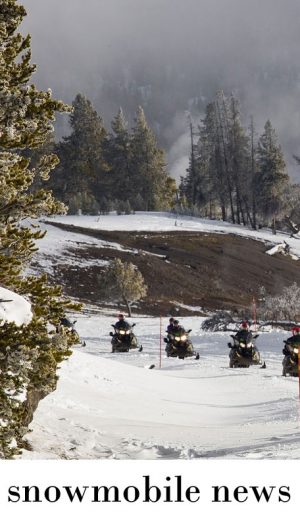
Snowmobile the Great Sacandaga Lake

Photo submitted by Joanne Passero© 2005

Photo submitted by Joanne Passero© 2005

Photo submitted by Joanne Passero© 2005

Photo submitted by Joanne Passero© 2005

Photo submitted by Joanne Passero© 2005

Photo submitted by Joanne Passero© 2005

Photo submitted by Joanne Passero© 2005

Photo submitted by Joanne Passero© 2005

Photo submitted by Joanne Passero© 2005

Photo submitted by Joanne Passero© 2005
Sacandaga Lake was voted the 2nd Best place in the Country to be for Nightlife by Snow Goer Magasine 2004, So be sure to check out our Lakefront Restaurants  and Nightlife!! 

Getting your machine ready

Clubs
M
aps
Dealers
Gas

Travel responsibly on designated roads and trails or in permitted areas.
  • Travel only in areas open to snowmobiling.
  • Avoid trails with inadequate snow cover.
  • When climbing a hill, approach the summit with caution.
  • Do not ride off cornices.
  • Avoid riding on frozen waterways when possible.
  • When approaching a corner, reduce your speed to avoid sliding.
  • Lean into turns with your upper body to enhance the sled’s maneuverability.
  • Cross roadways at a 90-degree angle.
  • Pump your brake when going downhill to avoid locking the brakes.
  • Be aware of unmarked hazards or obstacles hidden beneath the snow.
  • Travel at reasonable speeds.
  • When riding at night, use extra caution. Wear reflective clothing and reduce your speed.
  • Do not accommodate extra riders over the delineated limit.
  • Comply with signs and barriers.
  • Buddy up with two or three riders as riding solo can leave you vulnerable if you have an accident or breakdown.
  • Avoid riding in potential avalanche areas. Use terrain to your advantage, avoiding steep slopes, cornices, and gullies or depressions; periodically check for clues to an unstable snowpack. Remember, one rider at a time on slopes.
    Respect the rights of others including private property owners and all recreational trail users, campers and others to allow them to enjoy their recreational activities undisturbed.
  • Be considerate of others on the trail.
  • Ride single file, keep to the right and pass on the left only when the trail is clear.
  • When stopping on the trail, pull your sled as far right and off the trail as possible.
  • Yield the right-of-way to skiers, snowshoers and those passing or traveling uphill.
  • Use common snowmobiling signals to communicate with your group and other riders.
  • If crossing private property, be sure to ask permission from the landowner(s).

    Educate yourself by obtaining travel maps and regulations from public agencies, planning for your trip, taking recreation skills classes, and knowing how to use and operate your equipment safely.
  • Obtain a map of your destination and determine which areas are open to snowmobiles. Make a realistic plan, and stick to it. Always tell someone of your travel plans.
  • Contact the land manager for area restrictions, closures, and permit requirements.
  • Always check the weather forecast and avalanche conditions.
  • Understand how to operate your vehicle and its controls.
  • Prepare for the unexpected by packing a small backpack full of emergency items.
  • Wear a helmet, eye protection, and other safety gear.
  • Layer clothing and wear a durable waterproof outer shell and footwear.
  • If you suffer a breakdown, stay with your sled, and stay on the trail.
  • Make sure your snowmobile is mechanically up to task. Be prepared with tools, supplies, spares and a spill kit for trailside repairs.
  • Take an avalanche class. It provides skills on accessing snow conditions, performing rescues and using safety equipment.
  • An avalanche transceiver, shovel, and probe should be worn on your body at all times.
  • f a person develops hypothermia, warm the person up by rubbing them vigorously and getting them into dry clothes. Give them warm non-alcoholic liquids.
    Avoid sensitive areas such as meadows, lakeshores, wetlands and streams, unless on designated routes. This protects wildlife habitat and sensitive soils from damage.
  • Low snow, don’t go. Riding in these conditions can damage plants and soils just below the snows surface.
  • Avoid disturbing historical, archeological, and paleontological sites
  • Be respectful of wildlife’s wintering habitats.
  • Avoid “spooking” livestock and wildlife and keep your distance.
  • Motorized and mechanized vehicles are not allowed in areas designated Wilderness.
    Do your part by leaving the area better than you found it, properly disposing of waste, minimizing the use of fire, avoiding the spread of invasive species, restoring degraded areas, and joining a local enthusiast organization.
  • Carry a trash bag on your snowmobile and pick up litter left by others.
  • Pack out what you pack in.
  • Dispose of all sanitary waste properly by packing it out or bury it in a shallow hole in the snow.
  • To minimize harmful emissions, keep your engine in tune.
  • Protect the soundscape by preventing unnecessary noise created by a poorly tuned vehicle or revving your engine without need.
  • Don’t mix riding with alcohol or drugs

For more in-depth information about snowmobiling, download the Tread Lightly! Guide to Responsible Snowmobiling.

www.treadlightly.com
Shopping Guide
Events
Menu Guide
Home |  History  |  Attractions  |  What to Do  |  Where to Stay |  Garden/Home  |  Banquets  |  Where to Dine  |   Shopping  |  Nightlife  |  Events  |  Real Estate |  Add My Business | GSLBA  |   Contact   |   Search   |  Winter |  Get Sacandaga Stuff
© 2003 www.visitsacandaga.com. All Rights Reserved.
web design by Emery Designs 518-725-6112
Many Businesses on this web site are proud members of the
Fulton County Chamber of Commerce
the Saratoga County Chamber of Commece and or Hamilton County Chamber of Commerce